Museum, Archival & Library Labels
Marking special collections and artifacts with museum labels should be handled with extreme care. We provide labels that keep valuables intact while remaining readable and properly affixed. Specialty acid & wood free label materials ensure a proper identification that won’t degrade or alter specimens with time. We’ve worked with various departments, including archaeology, historical, art, botanical, and more.
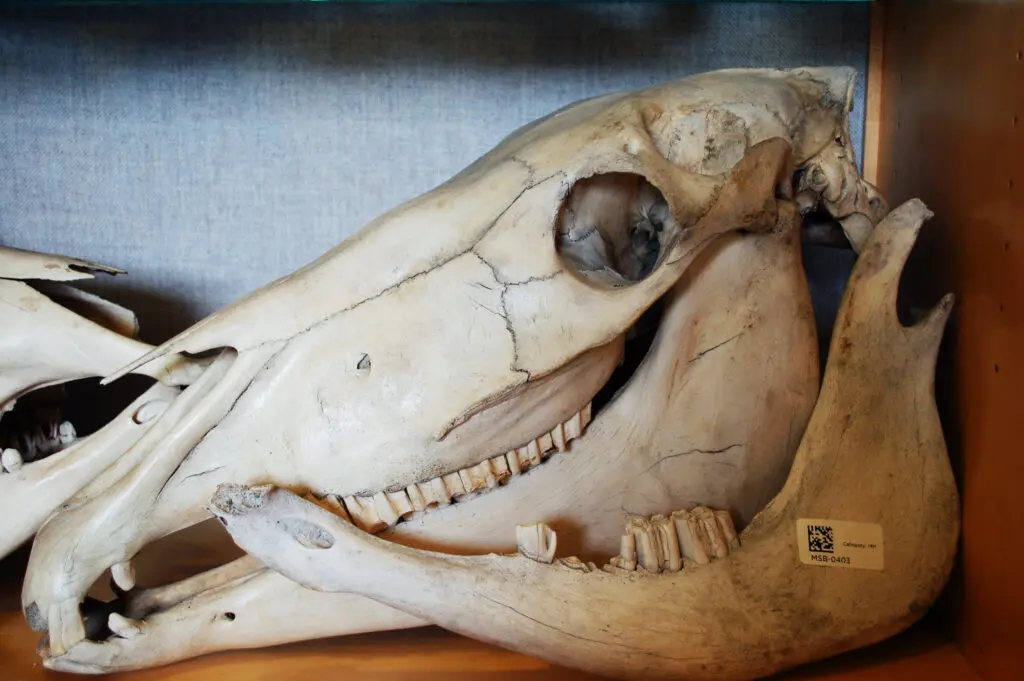
We’ve provided museum labels to many special collections:
- Harvard’s Museum of Comparative Zoology
- International auction houses & movable pieces
- Books in academic and public libraries
- Botanical gardens and horticulture societies
Create your custom order or request help:
Our award-winning customer service team is ready to assist and help find a solution. Let us help choose the right material, provide custom quotes, send free samples, and answer anything involving labeling and barcoding.
We’re The Label Experts, and we’re here to help
1-800-535-6987 or fill out our info request form.
Review our label product specifications and make sure these ultra-durable labels meet your requirements. Still not sure if these labels are right for your application? We’ll send you free label samples to test >
Label Materials
-
617 Thermal Transfer Acid-Free Paper
Alkaline-based, bright white paper material with acid-free adhesive for marking valuable photos and documents. Excellent print quality. Although not as durable as a polyester label, works well in a variety of conditions, such as warm containers and freezer storage. NOTE: Not for Laser or Inkjet Printing -
690 Thermal Transfer Acid-Free Polyester
This opaque, gloss white material contains an acid-free adhesive for non-invasive labeling, as well as maintaining excellent flexibility with chemical and tear resistance. Great permanent bond to many museum & archival surface types. NOTE: Not for Laser or Inkjet Printing
We’re Ready To Help!
Talk With A Label Expert